
- are inclusive & democratic
- contain sitting places (!)
- are well maintained and clean
- feel safe and nonthreatening
- have a distinctive character and identity
- incorporate natural features
- contains comfortable micro-climates
- ban or tightly control vehicular circulation
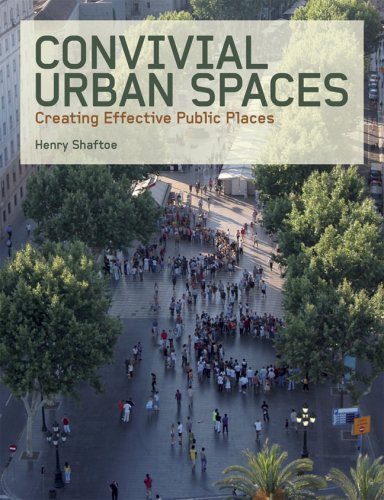
Henry went on to break these down into 4 key elements 'urbanists' should consider when developing urban spaces:
- It's physical design
- The geographical location
- Management (including fixed and temporal animation of space)
- The Psychology of a space
The mention of the animation of public space got me down a path of thought that had me doodling away on my note-pad... particularly in thinking about temporal art. It's something I've been pondering for a while - but it was nice to have it 'boxed' as an aspect of public space that interests me and that has interconnections with notions of place as a whole.
Henry also went on to talk briefly about the idea of 'provisional spaces'... which wasn't something I'd thought about before - but the idea struck me. He was thinking about a method for creating places that was based upon developing an initial spatial plan, implementing it, testing it, evaluating feedback on how it does/doesn't work, amending it... and then eventually finishing with a final version of the space...


 Posts
Posts

